

Hello and welcome to the second issue of The Book Supplement.
If you appreciate this coverage and want to see more, please consider becoming a paid subscriber. Even a few dollars a month will help keep this going.
In this issue:
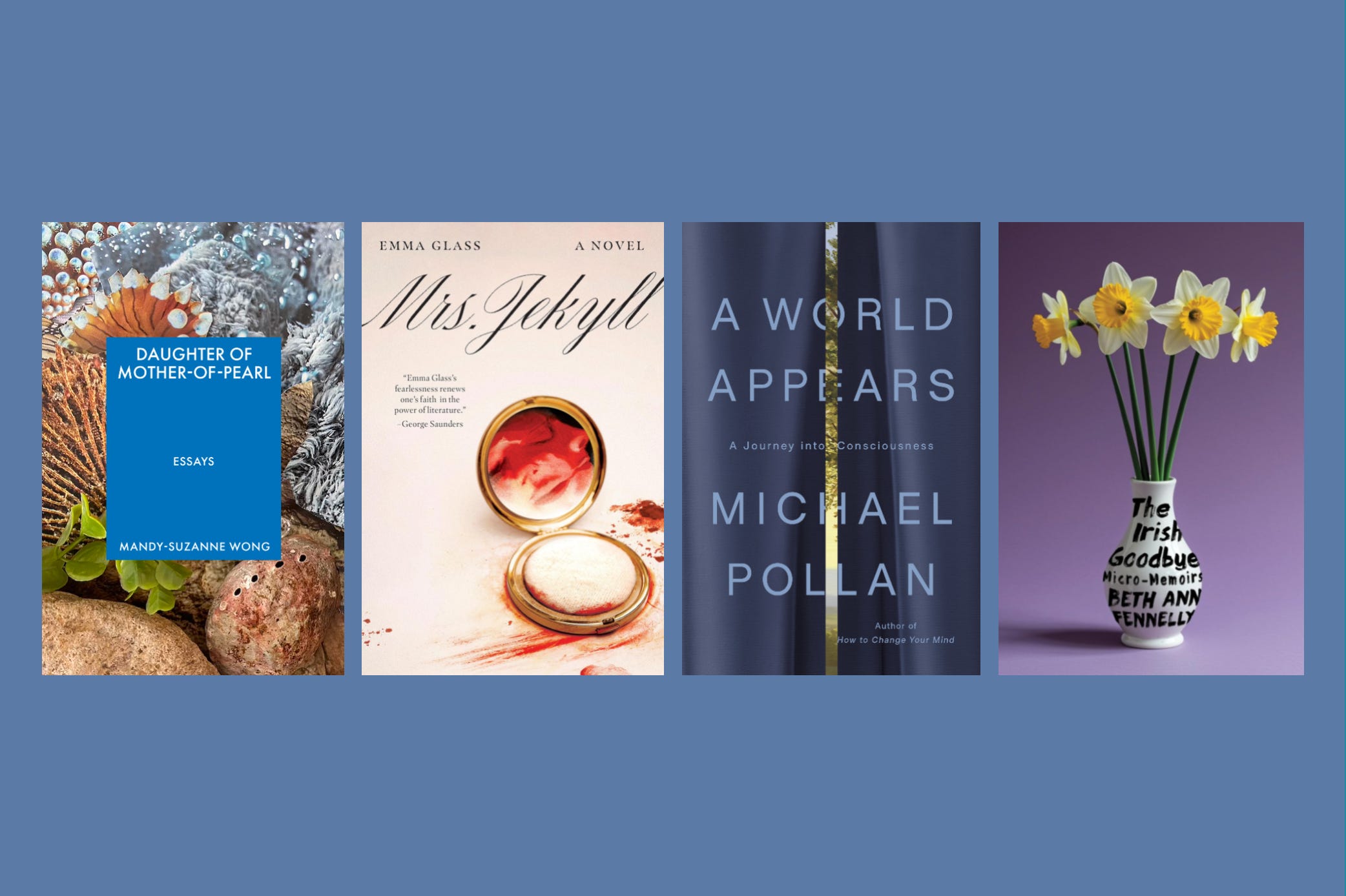
DAUGHTER OF MOTHER-OF-PEARL: Essays, by Mandy-Suzanne Wong
A WORLD APPEARS: A Journey into Consciousness, by Michael Pollan
THE IRISH GOODBYE: Micro-Memoirs, by Beth Ann Fennelly
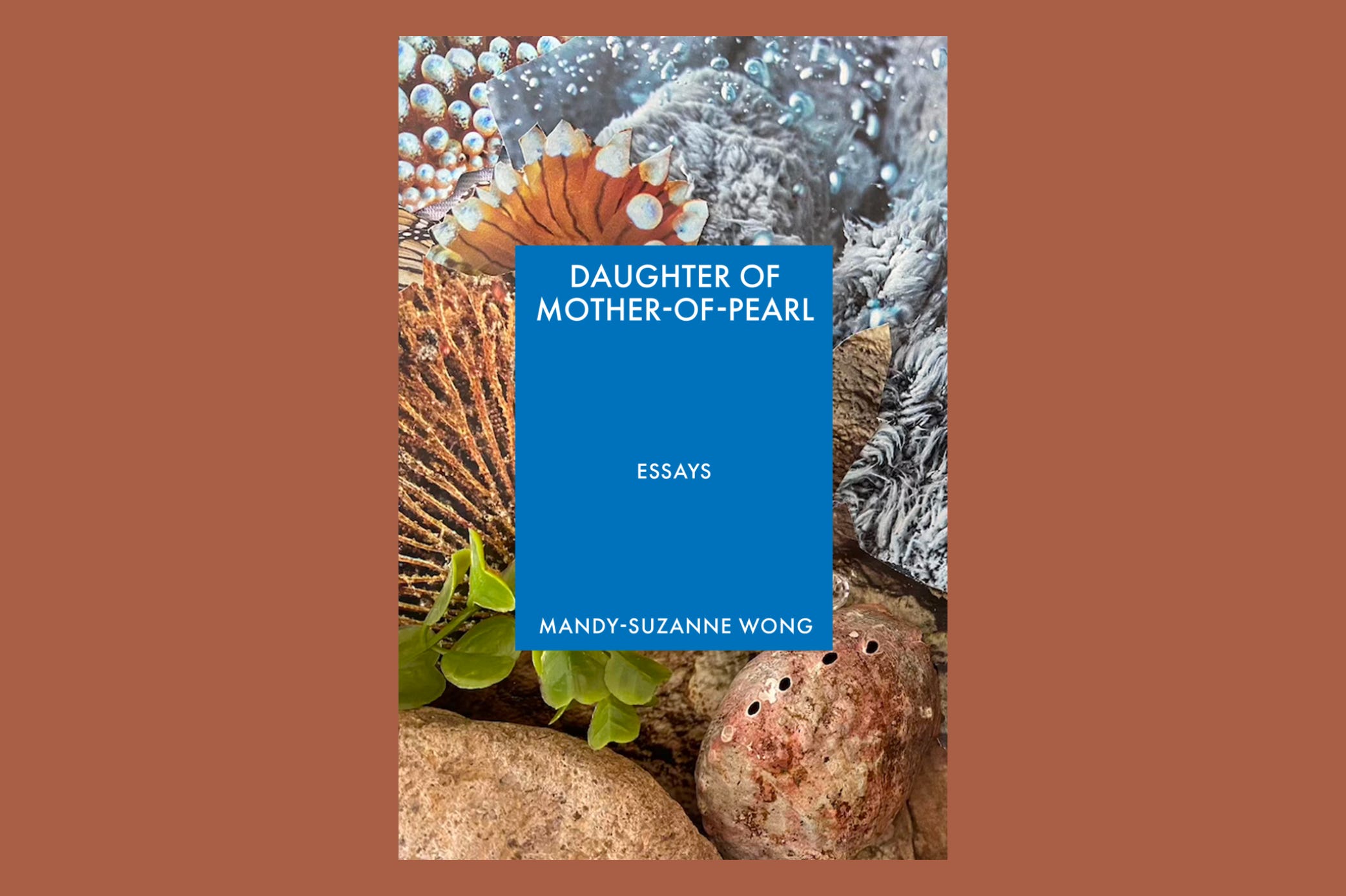
DAUGHTER OF MOTHER-OF-PEARL: Essays, by Mandy-Suzanne Wong
Graywolf’; 168 pages; $18.00 US Paperback
“She is born knowing how to swim. Her first few days of life she spends suspended in the plankton with all the other drifters, larval fishes, jellyfishes, just-hatched cephalopods, copepods, diatoms, microscopic flora, plastic nurdles following the ocean’s whims. She hangs high in the water column from twin sails to either side of her budding mouth.”
Thus begins Wong’s sleeper-wave of an essay collection, in no rush to tell us which micro-organism we are following: “Her skin remembers the smell of strangers who aren’t strangers. Something in that smell is eighty million years old […] The ocean’s gifts of mercy are the scent of food and the mucus trails of her ancestors. She folds her tired sails, sinks to the ocean floor. She alights upon a stone. She listens to it with her foot, skin-sniffing.”
Tender and deeply sensory, we are invited to consider the drama of an abalone spat finding its footing on a rock amid a kelp forest; a moment of connection between the author and a starfish. This is the essay as psychedelic prose poem, imagining the reader inside the bodily experience of sea creatures. It reads like the barefoot love child of Diane Ackerman and Gertrude Stein, if those authors were also in a throuple with a thesaurus.
There’s no denying that Wong makes a meal of her words, relishing them the way a sea urchin might chomp its way through a juicy kelp stalk. Her sentences, full of linguistic biodiversity, mirror the elaborate complexity of the organisms they describe. The results are frequently striking, but can also veer into tongue-twister territory. Phrases like “gastropodan pedantry, molluscan meticulousness,” and “grotesque bumps and furrows braggadocious, extravagant” abound.
For anyone who has ever wondered what it might feel like to be a sea snail—or, perhaps, a blissed-out poet on mushrooms at the beach who has just realized that the ocean is actually their soul mate—this book is for you. Don’t get me wrong, this is ambitious work, challenging the reader to think about certain creatures in a whole new way; to imagine that an abalone has thoughts, dreams, even ambitions; to see a starfish as an individual as unique and important as the author herself.
This earnest collection is a passionate love letter to marine life, with a distinctly vegan sensibility, and a romantic imagination that has strayed somewhat from the path of science. Exactly how far isn’t always clear. To Wong, animals in captivity have been “arrested and incarcerated”; extinct species don’t just disappear, they “are disappeared,” like political dissidents.
Unsure of the line between fact and metaphor, I found myself googling things like “Do abalone have eyes?” (yes); “Do starfish have eyes” (kind of); and “Do abalone dream?” (the internet tells me that, due to being invertebrates with very simple nervous systems, dreaming is unlikely). Can a starfish feel shame? Can an octopus curse? Science says no, but Wong is having none of it. In this mysterious world where certain jellyfish can revert to infancy and become polyps again if life becomes too stressful (this is a fact), who are we to say what does and does not dream?
“I am no such expert. I’m not a biologist. I’ve little patience for ideologies of quantification as an infallible adjudicator of living things’ capabilities,” Wong writes.
This will annoy some readers, especially if they came expecting a more conventional species of nonfiction. But for those willing to embrace the poetic lyricism of yearning plankton and jealous oysters, there is a kind of radical empathy to be found.
—Summer Brennan
Other titles by Mandy-Suzanne Wong: The Box, Awabi, Listen, We All Bleed, and Drafts of a Suicide Note.
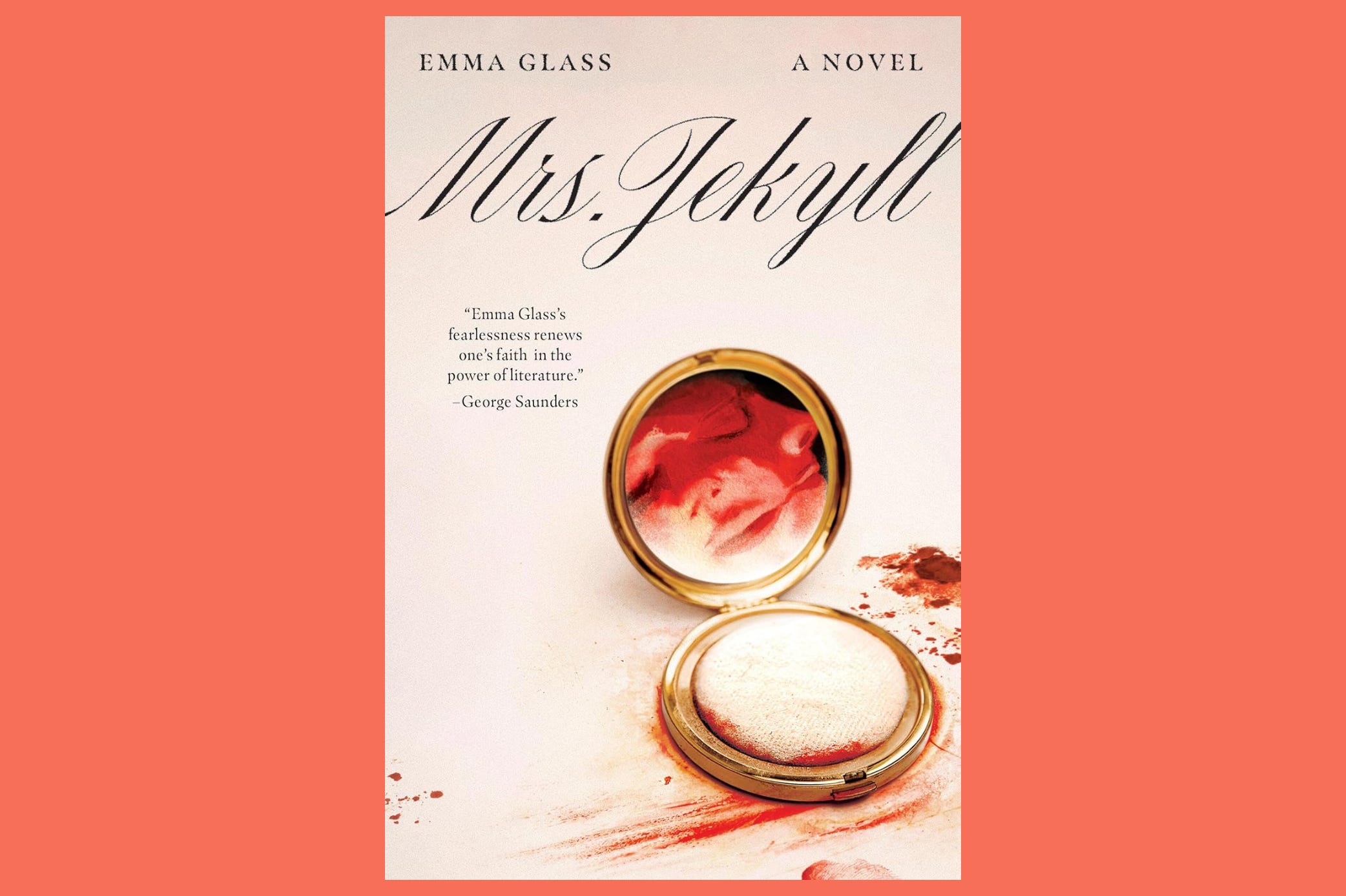
MRS. JEKYLL, by Emma Glass
Union Square & Co.; 176 pages; $17.99 US paperback; $9.99 eBook
As Robert Louis Stevenson famously noted in his 1886 novella “The Strange Case of Dr. Jekyll and Mr. Hyde,” “If I am the chief of sinners, I am the chief of sufferers also.” In Emma Glass’s new novel, a decidedly feminist take on the celebrated tale, her Jekyll is young schoolteacher Rosy, grappling with a devastating breast-cancer diagnosis, while Hyde is Nola, her alter ego that emerges as the malignant tumor grows.
As Rosy deteriorates, she struggles—to accept that her doting mother will not have a grandchild, to allow her husband Charlie’s role to shift from lover to caretaker, and to map the foreign land that is her nightmarishly changing body. While a burgeoning anger within her feeds on others’ pity, something dark, seductive, and murderous takes hold. Death’s inevitability looms as both destruction and freedom.
Playing within this contextual sandbox, Glass deftly emphasizes her interpretation with deliberate prose and unconventional formatting, which brings to mind Jenny Offill’s Dept. of Speculation and Sara Gran’s Come Closer. She endears the reader to her protagonist with relatable snippets of pre-lump life, as well as palpable fragments of the brutal recovery and treatments she must endure. Chapters devoted to Nola are rendered in deliciously unfettered free verse.
Equal parts horrific and cathartic, Glass’s exquisite and hallucinatory retelling reads like a live wire‚ and strikes like one too.
—Katie Calautti
Originally published by Cheerio in the UK; longlisted for the 2025 Dylan Thomas Prize and shortlisted for the 2025 Gordon Burn Prize.
Other titles by Emma Glass: Rest and Be Thankful and Peach.
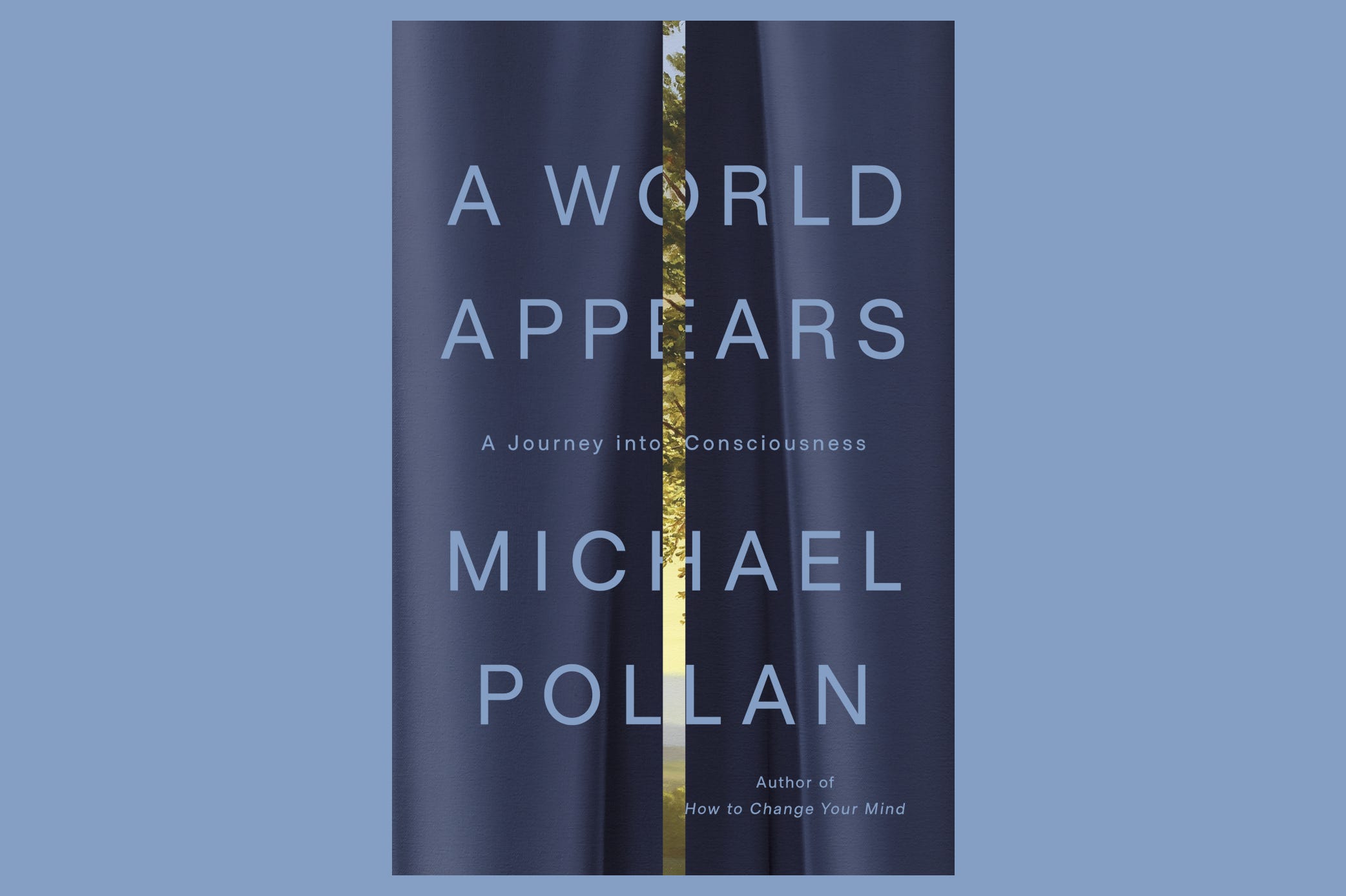
A WORLD APPEARS: A Journey into Consciousness, by Michael Pollan
Penguin Press; 320 pages; $32.00 US Hardcover
In his tenth book, author Michael Pollan is on a quest to understand “what consciousness is and what it does and how it came to be.” To tackle this complex task, he has mapped out four dimensions of his topic: sentience—“the ability of living beings to register sensations and respond intelligently”; feeling—“the language in which the body speaks to the mind”; thought—“the contents of human consciousness”; and self—the intuitive sense that we each have “a continuous, stable, and abiding ‘I’ that is the subject of all our experiences.”
In less able hands, such a quest might collapse under the weight of the in-depth, often heady knowledge that Pollan gathers, but the inveterate storyteller has approached his exploration as though crafting a travelogue. He sets scenes: From a meadow in the Sangre de Cristo Mountains, to a low-slung science lab outside Florence, Italy, Pollan captures sensory details as subtle as the “metallic tang” of December air, or the “insomniac’s deep-set eyes” of a philosopher. The title comes from a quote by British neuroscientist Anil Seth, one of many such individuals—experts, poets, novelists, Buddhists, and others—whom Pollan meets as he explores this relatively young and rapidly evolving field.
Pollan’s storytelling prowess makes for a stimulating, if occasionally exhausting, mental journey. It helps that he confines various tangents and elaborations to the footnotes, and shares with readers his own occasional mental exhaustion, confusion, frustrations, and epiphanies. Early on, he wagers that “by the end of the book you will be more conscious than ever.” Did he deliver?
I pondered that question for days after closing the cover. Where had this long, strange trip landed us? Outside, I noticed the subtle gradations of blue in the spring Massachusetts sky. I noticed the way my fingertips tingled as they hovered over the keyboard, considering these new ways of looking at sentience, feeling, thought, and self.
—Brenda Horrigan
Other titles by Michael Pollan: This Is Your Mind on Plants, How to Change Your Mind, Cooked, Food Rules, In Defense of Food, The Omnivore’s Dilemma, The Botany of Desire, A Place of My Own, and Second Nature.
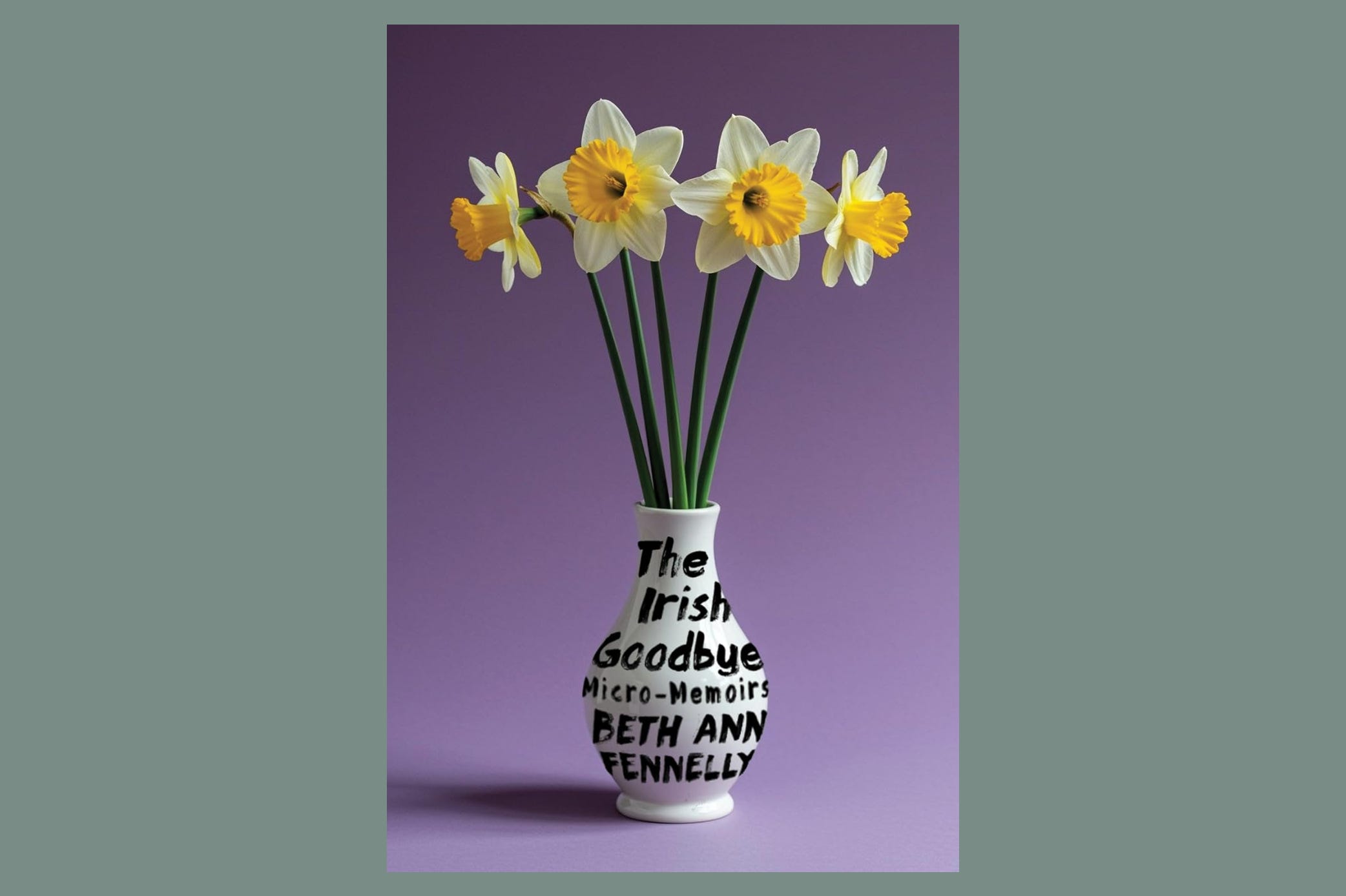
THE IRISH GOODBYE: Micro-Memoirs, by Beth Ann Fennelly
W.W. Norton & Company; 144 pages; $22.99 US Hardcover
Beth Ann Fennelly’s second installment of “micro-memoirs” begins in a key more chatty than lyrical. A former poet laureate of Mississippi, she lives in a place where attending church with one’s children is the norm, and people get reprimanded for “cursing during pickleball.” She is the kind of person who worries all year until she has found the perfect photo of her perfect family for her perfect annual Christmas card.
But just when you think you’re in a safe and casual world of Scattergories and garden slugs, something deeper opens up. Fennelly is a rule-follower, a box-ticker, a girl who tries, but she is unafraid to reveal the less flattering side that emerges when trying does not yield what she wants. Self-aware and companionable, this is a Salome who sheds her veils reluctantly, but still she sheds them—quite literally, in the end.
Straddling the line between essays and prose poems, many installments are just one paragraph long, and several are just one sentence. Fennelly seems to be daring herself and her readers: how short can she go? Perspective shifts. We encounter the self as examined in third person, in second person. The structure suits the material, with topics ranging from travel, to sibling rivalry with a sibling who has died, to caring for aging parents, to a memorable encounter with a child refugee in a decommissioned Berlin airport. The image of moonlight on snow, once it arrives, is earned. Even the sensible girl with the perfect family and the perfect family Christmas card can’t help but urge the dead to come back.
As the book picks up speed, brief vignettes and longer pieces tumble together, sparking images and feelings that ignite in lone bursts of color, or detonate in extended coordination like fireworks. One such finale includes the fascinating account of a painter who, inspired by family-vacation photos he found in a collection of Kodachrome slides from an estate sale, for eight years painted only a cheerful stranger named Helen.
Ideal for fans of Heidi Julavits’s The Folded Clock and Sarah Manguso’s 300 Arguments, The Irish Goodbye is a quick read, and can be enjoyed in a single, extended sitting. Fennelly is a master of her craft; with a poet’s precision, she nonetheless invests this slim volume with a satisfying emotional heft.
— Summer Brennan
Other works by Beth Ann Fennelly: Heating & Cooling: 52 Micro-Memoirs, The Tilted World, Unmentionables, Great With Child: Letters To A Young Mother, Tender Hooks: Poems, and Open House: Poems.
Masthead
Editor: Summer Brennan
Contributing Editor: Howard Mittelmark
Guest reviewers: Katie Calautti is a writer, bookseller, medium, and cemetery historian. Brenda Horrigan, a researcher and editor, is one of four writers behind The Creative Current Substack.

The Book Supplement is free but paid subscriptions make it possible. Become a paid subscriber today, or sign up as a Founding Member to defend literature from the forces of tyranny. If you enjoyed reading this issue, please consider sharing it with a friend.
If any of these books sound appealing to you, I heartily recommend that you give them a read. Order them from your local brick-and-mortar bookstores, or request them at your local library.
It should come as no surprise that I, inveterate lover of vignette essays, am now a mega-fan of Beth Ann Fennelly.